
About Us
OUR PHILOSOPHY
happiness is made
by hanD
Corner House Studio is an art school for kids ages 4+ in Montclair Village, Oakland.
We offer weekly classes, camps, and drop-in workshops, all built on one idea: children who make real art with real materials grow into confident, capable people.

The Real Work of Making Art
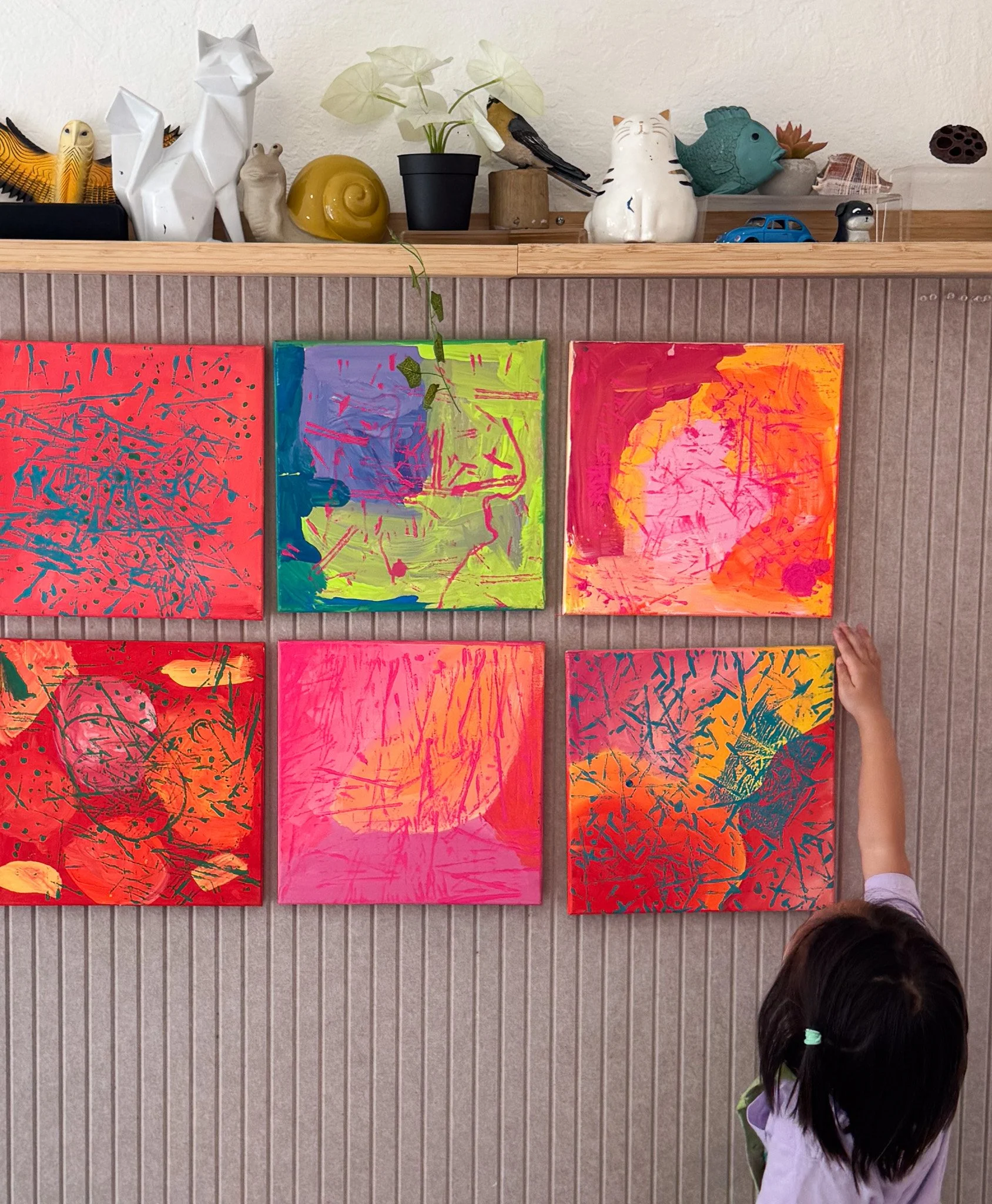
Our lessons explore drawing, painting, sculpture, printmaking, collage, and mixed media. But more importantly, every session practices the artistic habits that develop real creative capability: observation, exploration, planning, persistence & reflection.


Noticing details
and looking closely
Experimenting
and problem-solving

Reflecting
on our work and ideas
Sticking with it
through frustration
a program that grows with your artist
Corner House offers one continuous studio arts program, organized into age-based levels from preschool through the teen years.
Kids can start at any level and grow, season after season, into a confident, self-directed artist. No experience required.
How it works: classes meet weekly by semester, plus school-break camps and seasonal drop-ins. See our registration page for current offerings.
-
Art Together is designed for children and their favorite grown-up to create together. Perfect for kids who need a little extra support and families who love making things.
Age 4+ with a caregiver
Make art side by side
Real technique, real materials
A confidence-building bridge to drop off
No experience needed for kids or grown-ups!
-
A real studio art class. Art Explorers is process-driven and sensory-friendly: we care most about what happens while kids are making, not just the finished piece (though you'll likely want to keep those!).
We do our best to meet each artist where they are, leading with playful exploration while introducing fine art fundamentals.
Age 4.5—7 drop off class
Process over perfection
Sensory-friendly
Fine motor development & attention practice
Warm, patient teachers
-
Preteens are ready for real technique: drawing from observation, shading, color theory, an introduction to perspective. Projects are deeper and more ambitious, with sustained multi-session work and plenty of room to plan, remix, and make it their own.
Ages 8–11
Skill-building + freedom
Deeper technique instruction
Longer projects mean more focus
Great references, no templates
-
A teen studio built on autonomy. New artists start with a short onboarding series — acrylic, watercolor, graphite drawing, printmaking, and clay sculpture — then the full studio opens up: all materials, all methods. Our teaching artists shift into the role of mentor, supporting each teen as they develop their ideas. Every Independent Studio artist keeps a sketchbook here to capture and develop their ideas over time.
Initial lessons in five core media
Open studio & material access
Teacher supported
The goal: a genuine personal artistic practice — supported by experienced artists
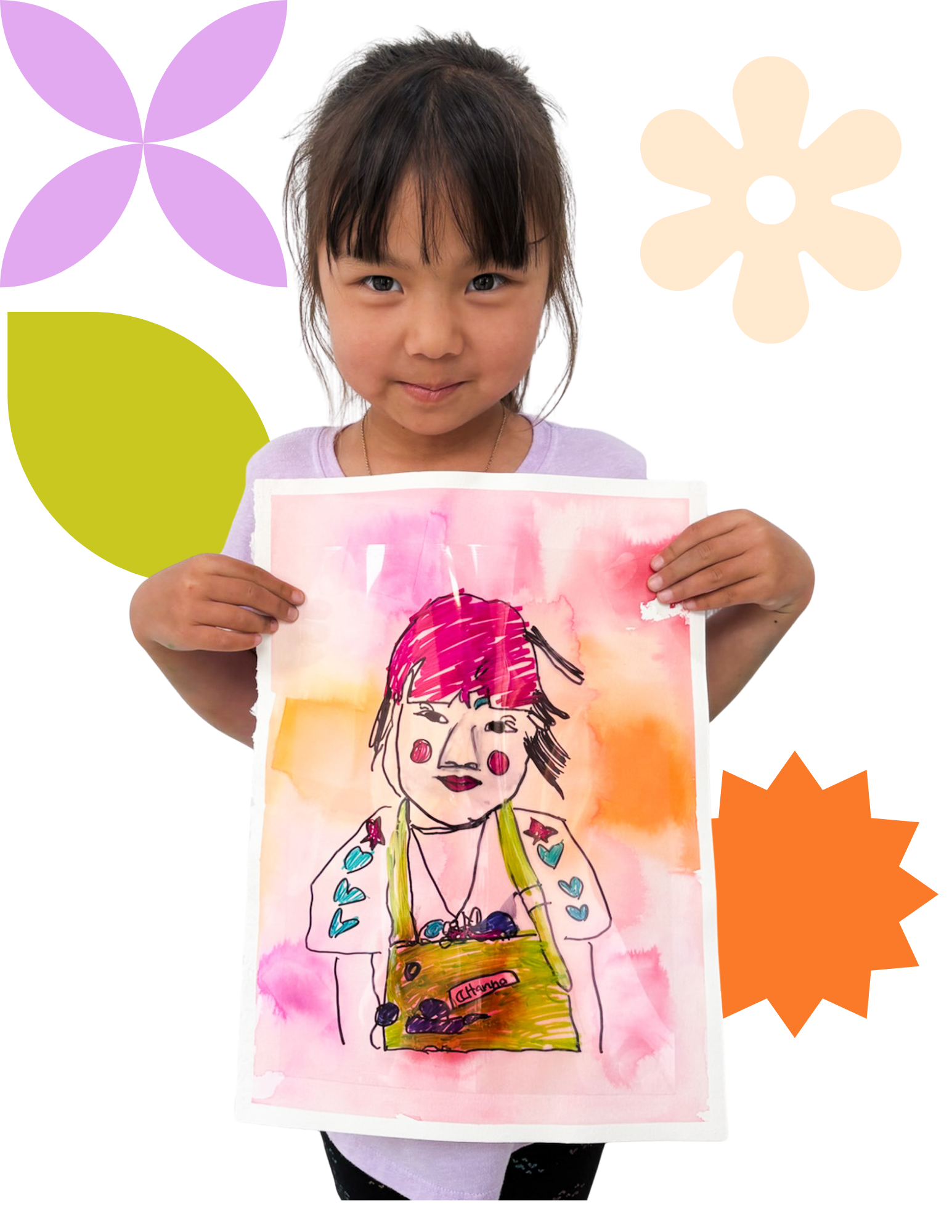
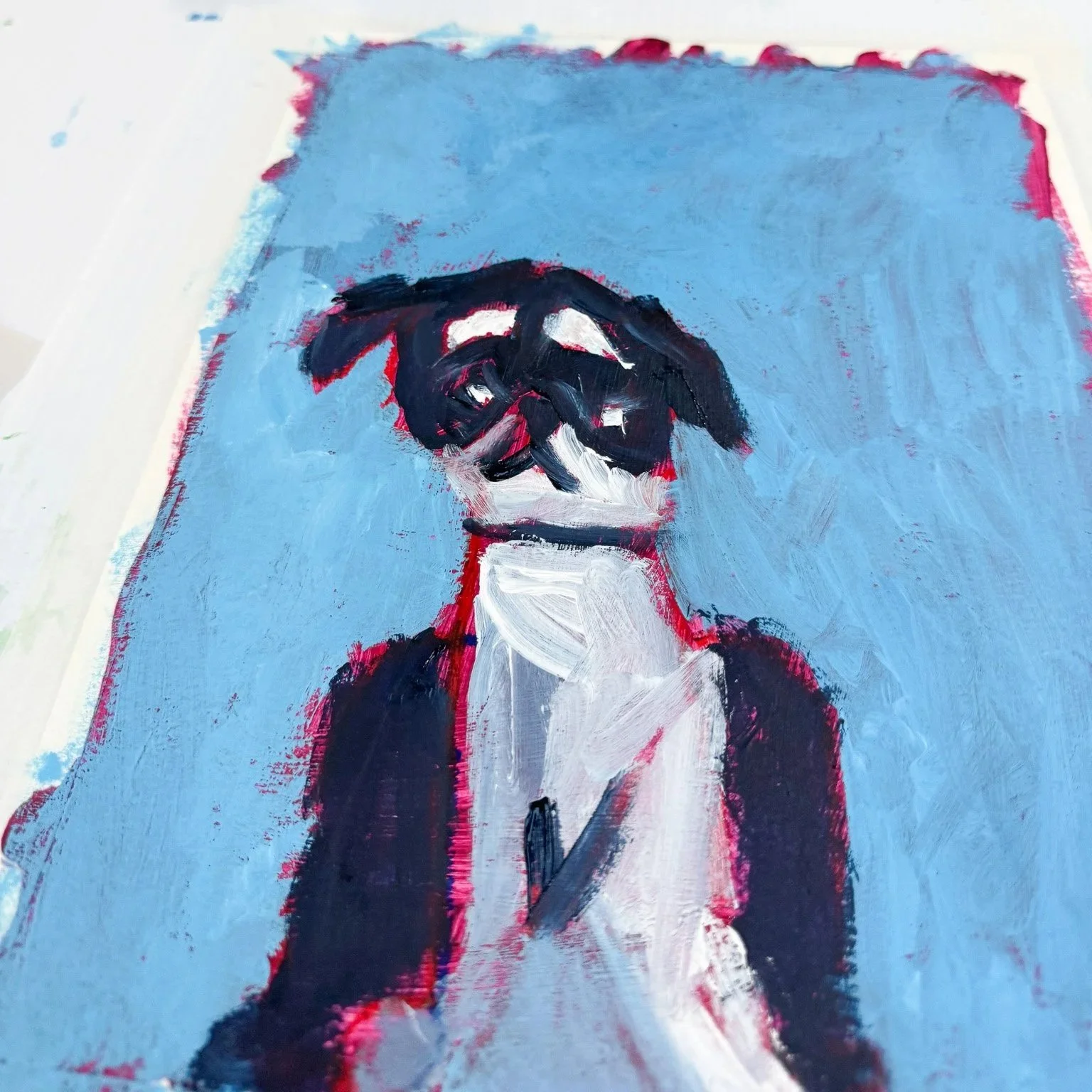
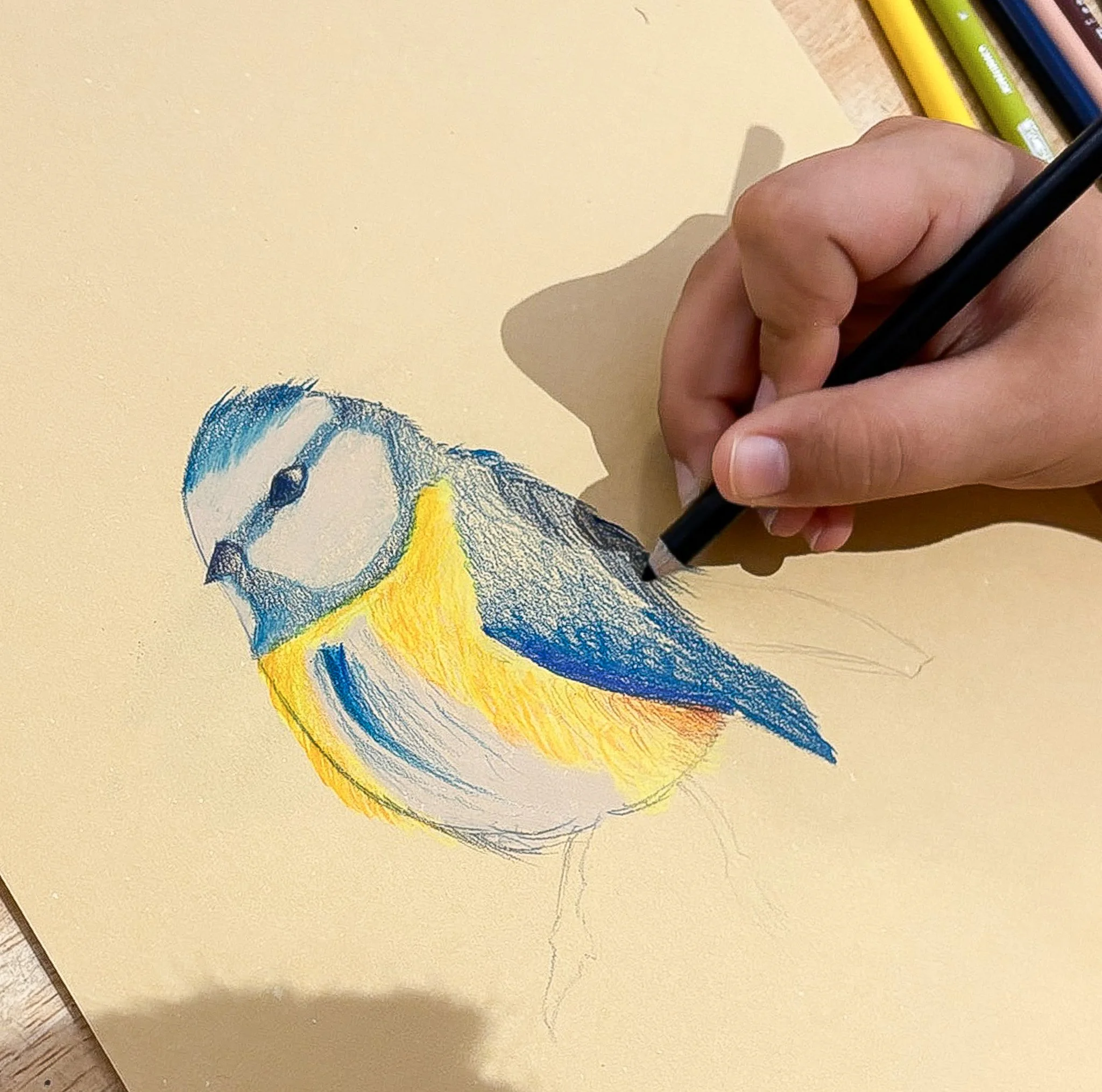
three parts of an art class at Corner house studio
Look
To get inspired we look closely at our subject and talk about what we notice.
Learn
A short demonstration of a technique or material, with room for questions.
Make
The fun part. Kids work on their own piece with a prompt, real materials, and a teacher nearby.

our north star
At Corner House Studio, your child will be met with warmth and respect. They’ll be taught by adults who love art and love kids. They’ll leave with artwork you want to keep and a growing sense that:
I can do hard things.
I can make something real.
I am an artist.